MISTV – Are we going back to linear? If so, what’s the impact on advertising? What role does AI have?

MISTV – Are we going back to linear? If so, what’s the impact on advertising? What role does AI have?

Stan Moote, CTO, IABM

Beyond news and sports, many viewers have seemingly replaced standard linear broadcast with on-demand. This is particularly true with the generation that grew up with MP3 players and making their own playlist, rather than simply listening to a whole album. Now we appear to be moving back into a type of customized linear viewing habit. Whether you’re sitting at home (or anywhere for that matter) people are back to just watching programs which we called “couch potatoes”. They are series binge watching, continuously locked into niche channels, or just sitting there watching clips flying by endlessly. When you look at the Nielsen Research, YouTube has captured 11% of the main TV screen in the home.

I call this “on-demand linear”. We are even seeing these niche FAST channels delivered over-the-air now and I wanted to dig deeper into this with respect to advertising as linear is still the “cash-cow” for the broadcast business due to advertising.

I had the fantastic opportunity to ask these questions to Jiří Gabriel, COO of MISTV, who supplies complex solutions for advertising sales, rights, content and broadcast management worldwide.

Jiří – I agree with you that “on-demand linear” is really stepping into the light now. But also I would not judge too quickly as for instance couple of years ago, I heard a lot of talk about terrestrial broadcasting being almost dead or going to be definitely dead soon as well as talk that everything will be moved to on-demand platforms and to social media only. The situation is constantly developing, reflecting the changes in society as well as in the technology.

My personal opinion is that classic linear broadcasting will survive, and it will be here for many more years, and it will be the same with streaming services, as each of these platforms still a have strong base among the consumers, but new possibilities to place the content and Ads will be appearing, like social media and other platforms. You have to be open minded and prepared for opportunities the future can bring. Lucky for us, we have been following this idea for many years, so for instance in our latest solution we do not care whether you are planning the content, booking commercials or measuring the impressions on terrestrial channels, on-demands, web pages or even social medias. The whole of society has changed and our industry has changed with it. And it is still changing and everybody is trying to exploit all of the new possibilities to maximize their potential.

We are living fast lives, maybe too fast and with it, we got used to be constantly consuming a huge amount of information over short period of time. I must say I don’t like seeing people constantly watching their smart phones or other devices focusing on the online world instead of the real one. Moreover as a big portion of this content is usually in a form of short, random videos without any deep thoughts inside or message to the audience. I do not like it as it is having a huge impact on the young generation as well as it is strongly affecting our industry, literally threatening the beauty of it. But it is happening and we all need to adapt to it.

A good example is in the way that the movies are being shot now. If you would present a 15-year-old movie to the current young generation, they would be immediately bored, as the development of the movie story and plot as well as the presentation of the information in it would be extremely slow for them. Nowadays everything is happening extremely fast: you need to have immediate action with overcomplex plots, catches, surprises and huge amount of information compressed into just a few scenes to keep the audience’s attention.

This change has had a similar impact on the way commercials are being created now as well. The audience is no longer used to receiving simple stuff. They need to have it compressed to extreme intensity to get the needed effect.

As everything is interconnected, this effect on people is significant especially on the source and way of consuming the content. As you already said 11% of the main TV time at home is now spent on YouTube. This is a significant number, but it also means that the linear and on-demand platforms are still there as well. The content will be more spread across the platforms, but I believe we are not in the moment where we can say that there is only one “main” platform now.

For linear broadcasting to remain as you said a “cash-cow”, the main goal is still the same: how to effectively deliver the commercials. The general answer is simple: ads focused depending on the exact consumer. The audience data are still the main key to achieve that, but how to get to the required information about every exact consumer while they are watching linear broadcasting?

With the AVOD, the easy answer is to use the information out of the profile of the subscriber and then focus the commercials directly based on subscriber preferences. With YouTube or web based content, it is pretty much the same, but with linear? That is a different story, because how will you get to the information about who is watching the show at a particular time in order to adjust the commercial block content accordingly?

Stan – So to help combat this, your system uses AI to help broadcasters select commercials to line up with the linear program content and advertising campaign. How does this work?

Jiří – This is not easy to describe but generally the system can suggest to the user what to do or even manage the whole process automatically, but to do this properly, the main thing is to have as much information as possible as a starting point.

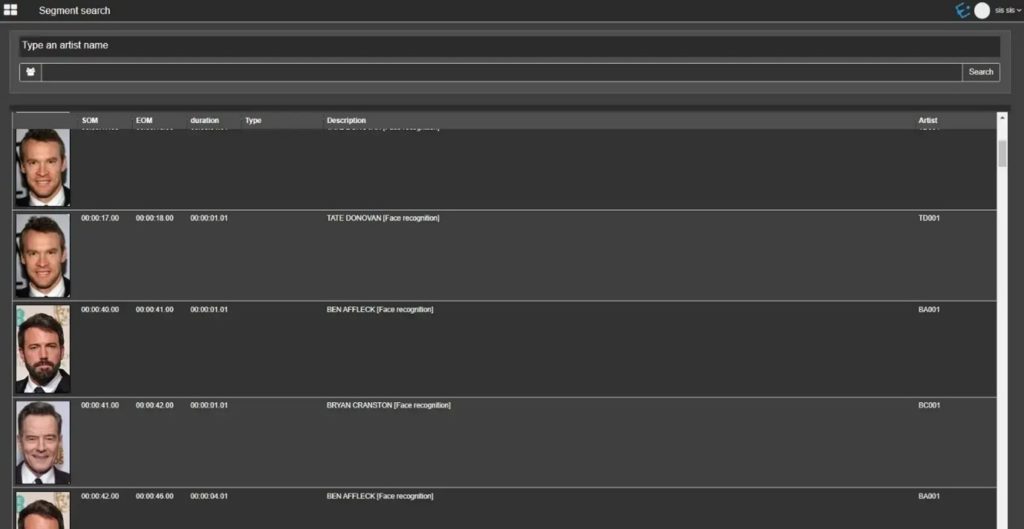
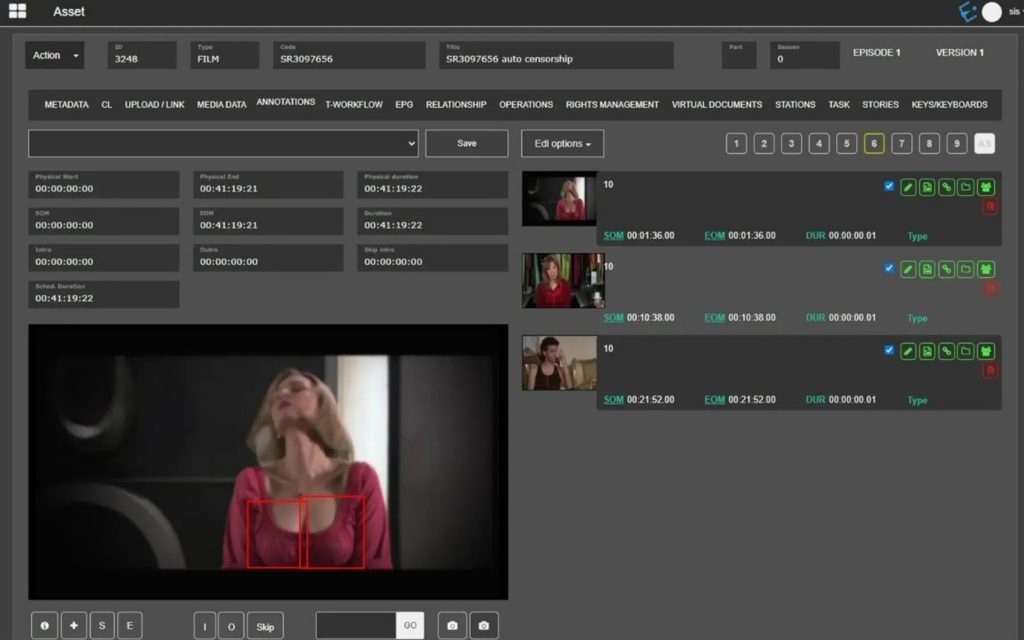
So the more information you input on the campaign management side, the better. Then there are three sets of basic parameters: booking rules, booking conditions and booking constraints, permitting and restricting the algorithm responsible for the booking itself. Together with general coefficients, definitions and other settings (positions, priorities, affinity, etc) the system uses AI to “predict” the type of the audience based on the “type” of the content to manage the booking and continuously watches the ad inventory in order to improve the booking based on the latest user or system inputs. Also beyond the manual metadata, we use AI to review the clips and populate more metadata. This helps us align the ads with the program content and viewers’ preferences.

Stan – what’s your opinion on using GenAI for making TV commercials?

Jiří – I think all of the big players are digging into it as they are always looking for ways to improve their business and make it more effective and make more money, and they usually have the budget to play with. The smaller ones, despite the fact the usage of the GenAI can save a lot of human work, thus literally saving a lot of money, I believe they will be sticking with the classic approach longer, but eventually they will follow.

In the end, like with any GenAI usage, it can be a good tool, but only when used properly by well trained and experienced staff. Definitely we will hear a lot about it in the near future.


MediaKind – Creativity in the Age of AI

MediaKind – Creativity in the Age of AI

Chris Wilson, Head of Marketing, MediaKind

Independent content creators are no longer just challengers. They’re redefining the media landscape and going toe-to-toe with traditional broadcasters and major streaming giants for audience loyalty. A prime example of this shift? The recent Sidemen Charity Match, where over 90,000 fans packed Wembley Stadium to watch YouTube’s biggest stars compete on the football field. This event demonstrates how online influencers can now command the type of dedicated audiences once reserved for mainstream sports and entertainment events.

This level of engagement is no accident; it’s the result of a changing digital landscape that has transformed how content is created and consumed. Advancements in cutting-edge video editing tools, AI-powered content enhancement, and affordable production technology have empowered anyone with a smartphone, the right software, and creative vision can create professional-grade content that captivates millions.

The catalysts for content evolution

Platforms like YouTube, TikTok and Patreon have given creators direct access to global audiences, enabling them to build dedicated fan bases and monetise their work through ads, sponsorships and subscriptions. This evolution has turned creators into independent brands in their own right, attracting significant advertising dollars and dedicated fan bases. This shift in advertising revenue is moving from big players to individual creators and smaller studios, creating a more decentralised and diverse media landscape.

For traditional broadcasters, this is a growing challenge. They must now compete with digital-first services that offer global reach, interactivity, and the convenience of a single subscription. To keep audiences engaged and to stay relevant, broadcasters must embrace accessibility and interactivity, integrating features like graphical overlays and personalised content to align with evolving viewer expectations.

One example is the emergence of multiview solutions, which allow viewers to watch multiple streams simultaneously. This feature resonates with tech-savvy generations accustomed to multitasking, particularly valuable during live events or complex coverage broadcasts, such as elections or major sports tournaments.

Another major shift has been the increasing popularity of vertical video, especially on mobile devices and social media. Social platforms like TikTok have demonstrated its effectiveness, reporting a 25% higher six-second watch-through rate compared to horizontal videos. Vertical video enhances immediacy and second-screen engagement, offering an experience that traditional landscape formats struggle to match.

More than just a buzzword: the AI-driven future

It’s no secret that AI is transforming content delivery, especially in video encoding, where it can analyse video characteristics in real time to optimise video quality and bitrate. The result is a superior viewing experience with reducing bandwidth requirements. For streaming platforms, broadcasters, and content creators, this means cost savings, improved viewer retention, and the ability to deliver high-resolution video even in bandwidth-constrained environments.

But how does AI intersect with the viewer experience? Keeping viewers engaged is the key to keeping them loyal, but how can broadcasters take that engagement to the next level? AI makes it possible by personalising content, ensuring every broadcast feels tailor-made for the audience. Whether it’s delivering multiple language options or crafting highlight reels based on individual fan preferences, AI transforms the viewing experience into something far more immersive.

Imagine never missing the best moments of a game, AI-powered tools can instantly detect game-changing plays, such as a last-second goal or a pivotal turnover, and generate real-time highlights for social media or personalised fan feeds. This keeps fans glued to the action, enhances their experience, and unlocks fresh revenue opportunities, such as hyper-targeted ads and sponsorships. This increased engagement enables brands to maximise monetisation potential by aligning with audience preferences and demographics.

The key to succeeding with AI is not necessarily the AI itself, but its seamless integration into real video workflows. This synergy enhances both efficiency and output, allowing broadcasters and creators to push the boundaries of what’s possible.

Unlocking the power of conversational NLP in media workflows

As media workflows grow more complex with multiple platforms, formats, and technologies, there is a demand for intuitive, streamlined interactions. As media workflows grow more complex with multiple platforms, formats, and technologies -the demand for intuitive, streamlined interactions is needed. Conversational Natural Language Processing (NLP) is transforming how content is created, managed, and consumed by enabling seamless, voice-driven interactions for content discovery, metadata tagging, and audience engagement. By allowing both creators and consumers to interact with media using natural language, NLP eliminates technical barriers and enhances overall efficiency.

Beyond improving user experience today, conversational NLP is shaping the future of media operations. By embedding conversational NLP into media workflows, the industry can move beyond rigid, manual processes toward a more agile, intelligent, and user-centric future. As these technologies continue to evolve, they will redefine how content is produced, distributed, and experienced, unlocking new possibilities for both creators and audiences alike.

The evolving future

Supporting live streaming services at scale has become an essential element of modern media strategies. Live events offer an exciting opportunity to engage audiences in real-time and as consumer expectations shift toward instant access and interactive experiences, companies must invest in robust infrastructure to ensure seamless, high-quality broadcasts.

Platforms such as MK.IO Beam, provide the scalability and reliability needed to deliver live content to millions of viewers simultaneously. MK.IO Beam provides a new approach to live video processing as it offers maximum flexibility and power, combining on-premise appliances with cloud-managed control. By leveraging APIs, broadcasters can optimise live streams for different devices and networks, maintaining high-quality standards even under the most demanding conditions.

As broadcasters and content owners navigate this transition, they have the opportunity to replace their existing systems and enhance them. By embracing the latest innovations in content delivery, monetisation, and cloud technology, they can build a more agile and responsive media infrastructure that is ready to meet the demands of modern media consumption. In an era where independent creators like Mr Beast and other digital pioneers are smashing the engagement radar, adaptability is key. The media landscape is changing, those who innovate will lead while those who hesitate risk being left behind.

MainConcept – Revolutionizing diagnostics through advanced medical imaging

MainConcept – Revolutionizing diagnostics through advanced medical imaging

Tsviatko Jongov, Product Manager, MainConcept

Video compression technology, specifically codecs, have advanced significantly in recent years, enabling large video files to be compressed efficiently. These advancements allow video files to be transported and stored more easily. Yet codecs aren’t only a critical element of the media and entertainment industry, they’re also being used in medical imaging for diagnostics within the healthcare sector.

Within healthcare, codecs enable the complex images and video files produced during medical imaging to be managed efficiently without loss of quality. Research[i] (Pulumati A et al., 2023) shows that technological advancements within the field of medical imaging and diagnostic techniques for the diagnosis and treatment of cancer are enabling earlier detection rates as well as better therapeutic management of the cancer itself once detected.

Role of codecs for medical imaging

 Codecs are a critical part of medical imaging because of the large files that these processes produce. Although diagnostic processes such as digital x-rays and ultrasound generate large amounts of data, 3D scans such as MRI and CT, produce particularly large files. Without codecs to compress and decompress these high-quality images and videos, the storage, transmission and visualization of these files would be severely compromised, which would obviously impact diagnostic speed and accuracy.

Codecs essentially make the large files generated during the medical imaging processes more manageable by compressing them into a smaller size so that medical teams can handle, share, store and archive medical images efficiently and effectively. Depending on the codec used, the very process of image and video compression can result in reduced quality. While lossy compression is suitable for some medical applications, in the field of cancer detection and treatment, it’s critical that image fidelity is retained. A loss of fidelity could mean a medical professional isn’t able to detect cancer when it’s present, so image sharpness and quality can literally mean the difference between life and death. Additionally, it’s also critical that high-quality details are visible even under limited bandwidth conditions.

As compression technology has advanced, codecs have become better at compressing files without loss of quality. Some codecs such as JPEG 2000 and JPEG-LS can compress files without any loss of quality. For this reason, JPEG 2000, which provides superior compression efficiency while maintaining image quality, is widely used in medical imaging. HEVC/H.265 is another codec that is used in the healthcare sector for medical imaging applications. It uses advanced compression algorithms to compress data efficiently and can be up to 50% more efficient than AVC/H.265. This makes it ideal for fast transmission of video files over networks and can also be used to enable remote consultations with real-time video streaming when necessary.

The latest and most efficient codec that combines all benefits of compression efficiency, near-lossless quality, and low latency transmission for live surgery and remote tele-medicine is JPEG XS. It is a lightweight codec that is likely to become the new standard for medical imaging and video.

AI-powered diagnostics

 Already, we’re starting to see how the integration of next-generation technologies such as AI will likely transform medical diagnostics. As the technology evolves, the future of cancer care could see earlier detection, predictive modeling, and more effective ongoing patient monitoring, all of which could dramatically improve outcomes.

One review[ii] (Khalifa M & Albadawy M. 2024) published in a scientific journal last year evaluated the latest advancements in AI technology and its impact on interpreting medical images. It concluded that “AI-enhanced image analysis significantly reduces errors and accelerates diagnostic processes, leading to quicker patient diagnosis and reduced healthcare costs.” AI-powered image analysis tools are highly effective at spotting minor discrepancies and anomalies in images and videos that the human eye may miss or overlook[iii] (McKinney, S.M., Sieniek, M., Godbole, V. et al. 2020).

However, while AI certainly offers great hope for improved accuracy and efficiency when it comes to image diagnostics, its efficacy relies on having high-quality images and videos to analyze in the first place. Codecs that maintain high quality image fidelity such as JPEG 2000 and HEVC will play a critical role in enabling AI-tools to recognize anomalies and tumors earlier on.

 Looking ahead

 Codecs are advancing all the time and new codecs such as VVC/H.266 can reduce file sizes even more than HEVC and reduce bitrate requirements by half yet still preserve quality. And just as codecs are continuously improving, so is the technology used for medical diagnostics. For example, the next-gen MRI scanner recently launched by Philips is integrated with cloud-based AI image reading and reporting tools and incorporates AI-based image reconstruction technology for enhanced image quality.

There’s also potential that multiview video formats and devices made possible with codecs such as MV-HEVC may also become important in medical diagnostics and surgical procedures[iv]. This particular codec efficiently compresses the large amounts of data needed for multiview and 3D video by reducing redundant information across multiple views. These advancements could well profoundly change how we detect, diagnose and treat cancer, as well as other diseases.

Cancer is the leading cause of premature death worldwide[v] (WHO), and research[vi] (Bray F et al., 2022) shows that a staggering 1 in 5 people are likely to develop cancer during their lifetime. As imaging and diagnostic technologies continue to evolve, they offer real hope for earlier detection, more precise treatments, and ultimately, better patient outcomes. The convergence of high-quality imaging and AI-powered diagnostics will hopefully lead to a future where cancer is detected sooner and treated more effectively, giving more people a better chance of survival.


 [i] Pulumati A, Pulumati A, Dwarakanath BS, Verma A, Papineni RVL. Technological advancements in cancer diagnostics: Improvements and limitations. Cancer Rep (Hoboken). 2023

[ii] Khalifa M & Albadawy M. AI in diagnostic imaging: Revolutionising accuracy and efficiency.  ScienceDirect. 2024

[iii] McKinney, S.M., Sieniek, M., Godbole, V. et al. International evaluation of an AI system for breast cancer screening. Nature 577, 89–94. 2020

[iv] Tomorrow’s Cure: How holograms and VR improve surgery, Mayo Clinic

[v] World Health Organization, https://www.who.int/news-room/fact-sheets/detail/cancer

[vi] Bray F, Laversanne M, Sung H, Ferlay J, Siegel RL, Soerjomataram I, Jemal A. Global cancer statistics 2022: GLOBOCAN estimates of incidence and mortality worldwide for 36 cancers in 185 countries. CA Cancer J Clin. 2024 May-Jun;74(3):229-263. doi: 10.3322/caac.21834. Epub 2024 Apr 4. PMID: 38572751.

LTN – How to manage operational convergence with smart automation — and smarter IP technology

LTN – How to manage operational convergence with smart automation — and smarter IP technology

Rick Young, SVP Global Products, LTN

The media world is transforming fast. Broadcasters are rethinking how they produce, manage, and deliver content to bring their most valuable assets to the widest audience. Reaching viewers with tailored live news and sports experiences across multiple platforms has never been as important — or as challenging.

The age-old imperative of ‘doing more with less’ is being accelerated with changes on the ground. Technology and workflow innovation means broadcast job roles, departments, and the technology solutions that bridge them are increasingly coming together. The remit of skilled editorial professionals is expanding to include wider operational responsibilities not previously included in their beat. Non-technical, content-oriented teams now delve into operations and engineering functions across channel creation, configuration and playout. These new team configurations require the right technology mix for a new operational reality to succeed. The key here is deploying technologies that make workflows simpler, easier to use — and more efficient at an organizational level. Automation is a key enabler, helping teams work smarter, drive efficiencies, and focus their resources where it matters.

Powering live content versioning

 Viewers set the tone. All eyes are on live sports (from tier-one leagues to up-and-coming or ‘niche’ sports) and exclusive and original content. These assets are seen as the most sought-after investments that drive revenue and ROI. But live sports is simply the most expensive and complex genre to manage at scale. Content owners and rights buyers are laser-focused on making the biggest bang for their buck, increasingly finding ways to tailor and scale live content versions for new takers to drive maximum monetization. Automating some of the time-intensive, mundane tasks that take up time, limit creativity, and hold back innovation frees up talent and resources to unlock growth. Automation tackles operational complexities, allowing teams to focus on areas of growth like delivering premier sports to new platforms, investing in fast-growing local sports properties, and creating and launching new FAST and digital linear channels.

From a channel creation and distribution perspective, automation is a game-changer. With extensive automation and content versioning capabilities embedded at the network level, organizations are now creating and customizing secondary versions of core linear channels for OTT and FAST with custom ad signaling and content replacement to enable revenue-generating, differentiated experiences on a per platform or per consumer basis. Meanwhile, opting for a more intelligent IP distribution system means channel creators can automate and simplify complex rights management and blackouts for local affiliates depending on varying content rights and local restrictions.

Let’s look at a prime example. One of our customers is a major US TV network that uses intelligent versioning and rules-based, automation-driven switching to manage growing affiliate ecosystems across FAST and digital platforms like Hulu, YouTube TV and their owned and operated apps. In the past, these types of workflows would require a huge amount of time and heavy resourcing to make possible. However, workflow automation and business intelligence, seamlessly integrated at the core of the network, can transform these intricate processes to alleviate operational burden and drive a more cost-efficient, sophisticated distribution strategy.

Simple, supported, outcome-first IP distribution

 In a world where organizations can’t afford to experiment without returns, time equals money. Automation should empower teams to accelerate timelines, reduce time to market, and ensure new digital products and services are worth the investment. That means rightsizing the cost of digital channel creation against its expected revenue returns. Folks need to know the juice is worth the squeeze. Live content versioning tools that allow media companies to produce once but deliver and monetize in infinite ways — without bearing the costs of additional operators, channel creation, ad enablement or playout infrastructure — set a new precedent in live media distribution at scale.

Automation is a critical connective tissue that enables teams overseeing editorial and engineering workflows to go beyond what was deemed possible and powerfully scale live events or create new digital channels. A highly sophisticated IP ecosystem approach is the best way to bring together disparate workflows across production, programming, advertising and playout to drive new efficiencies and operational innovation. Customers tell us they’re looking for more simplified IP solutions that deliver better tooling, visibility, and control to unify fragmented systems and workflows and sidestep unnecessary and margin slashing, unexpected, charges from some public clouds. Simple, easy-to-operate solutions win every time over complicated, costly, multi-vendor systems that require deep technical skills and resources that not all media companies can support.

All eyes on revenue enablement

You can find automation in almost every broadcast department today. The trick is being able to elevate automation beyond cost reduction and operational efficiency to pure revenue enablement. Live content is and will remain the premium asset. Automated live event versioning workflows can turbo-charge growth by scaling content to more rights buyers and audiences than ever before, powering multi-platform, multi-market rights deals and localized ad revenue.

The true challenge for broadcasters and their technology partners is to leverage technology that is interconnected and delivers the automation, simplicity, and effectiveness modern broadcast teams need. This is the time to work harder and smarter, lead with outcomes and drive growth.


LiveU – Clubs go bananas for LiveU’s sports production solutions

LiveU – Clubs go bananas for LiveU’s sports production solutions


Ronen Artman, VP Marketing, LiveU

As the M&E industry continues to evolve, the growing pressure to produce more content at lower costs, while retaining the same high-quality, has increased the demand for cost-effective, flexible IP-based production models. As well as enabling broadcasters to utilize ground-to-cloud-to-crowd turnkey sports production workflows, this has opened up new opportunities for diverse and niche sports to create dynamic live content and to drive online fan engagement.

With greater access to digital channels and more fans watching content online, lower division clubs and other organizations can produce broadcast-quality content cost-effectively using remote, on-site or cloud production. IP-based production solutions also give smaller clubs direct access to Gen-Z and millennials who demand authentic and personalized storytelling and who are more likely to watch sports content on a mobile device.

Bringing ‘banana ball’ to the masses
An organization that’s fully embraced the remote production workflow is growing sports franchise the Savannah Bananas. Starting out in 2016 as an unknown college summer baseball team, the Savannah Bananas wanted to expand its reach, create a demand to go to games, build a fan base, drive ticket sales, and sell merchandise. Owners Jesse and Emily Cole and the production crew knew they needed to make their broadcast games available online to introduce viewers to the banana ball sport, a fast-paced version of baseball mixed with entertainment elements, and to generate brand loyalty and fan following.

With their popularity growing fast, they decided to take their ‘baseball circus’ on the road, but traditional production methods were off the table due to cost and complexity – production trucks, full crews and satellite connections were beyond the budget. Savannah Bananas turned to LiveU to enable them to deliver high-quality broadcasts from everywhere the team went. It leveraged the company’s remote production solution including IP bonded cellular LU800 multi-cam and compact LU300S encoders for connectivity and a REMI production workflow.

“The LiveU solution gave us the ability to quickly set up our entire production, while still having the gear we use and the crew that normally runs the show from our home base in Savannah, Georgia,” said Chad Reese, Coordinating Producer, Savannah Bananas. This solution allowed the Bananas to not have to worry about connectivity in any stadium or venue they attended, relying fully on the LiveU EcoSystem and LiveU’s patented cellular bonding technology.

When tickets went on sale for their first tour they sold out in minutes. In 2024, they doubled the number of games covered and are doing even more this year. The team’s gone from selling a handful of tickets and producing content hidden behind a paywall to millions of loyal fans and 1.85 million YouTube subscribers.

Savannah Bananas has continued to elevate its productions and gained attention from broadcasters such as ESPN and NESN who would normally send out a truck to cover the games. Instead, they’ve leveraged the production created by the lean Savannah Bananas crew. The fan engagement it receives from the live broadcasts and content across social media has boosted revenue streams, including ticket and merchandise sales.

Savannah Bananas’ Chad Reese added, “When it comes to LiveU our imagination is the only thing that’s holding us back.”

Adding value to live feeds
LiveU’s dedicated to producing innovative tools that help storytellers to engage viewers with diverse content while controlling costs. An example of this is the cost-effective localized solution provided to Skweek for European basketball coverage. Skweek is a basketball and lifestyle streaming platform for fans, players and brands that provides a pay-per-view service with exclusive broadcasting rights for the men’s EuroLeague Basketball in France and Monaco.

Throughout the season, Skweek delivers up to 12 live games simultaneously each evening and provides comprehensive coverage of the EuroCup. Specializing in high-quality live streaming, it offers sports fans in-depth localized access to top-tier basketball events, ensuring seamless broadcasts across multiple platforms.

Skweek receives the international feed from IMG and ingests it in the LiveU Studio cloud-native production service, adding branding and French commentary sent directly from the commentators themselves who connect to LiveU Studio as a ‘remote guest’. This gives commentators greater flexibility and reduces preparation time. Skweek also streams occasional games with live local commentary directly to YouTube and other social media platforms using LiveU Studio. Leveraging the ability to publish to multiple destinations, it can ingest live feeds on its subscription-based video-on-demand (VOD) service and stream them elsewhere.

Delivering live commentary to the cloud is a different way of working for commentators who quickly adapted to the change and have found it to be a more streamlined process. A single LiveU Studio feature saved Skweek significant costs and has given them autonomy by allowing them to fully control their live remote cloud-based commentary and distribution workflows.

Going lightweight
In 2024, LiveU further expanded storytelling opportunities for diverse and minority sports with its remote production “ground-to-cloud-to-crowd” Lightweight Sports Production model. It provides a complete capture-mix-share solution using three key components – LiveU Field Encoders, LiveU Mobile Data and LiveU Studio – making live video capture, program production and distribution collaborative and straightforward.

Through its customized solutions, LiveU is empowering streamers, niche sports and lower tier clubs to embrace a lightweight sports production model whether that’s REMI, on-site or cloud. Clubs and other sports organizations have the ability to tap into local advertising revenue opportunities using SCTE-35. Frame accurate live switching ensures every live source is frame synced in the production environment and LiveU’s Instant Replay tool provides variable speed playback with two to four replay channels available.

LiveU’s democratizing high-quality sports production, allowing any size organization to access broadcast level workflows without the high costs and complexity.


Limecraft – Supply chains aren’t ‘broken’; they’ve never existed

Limecraft – Supply chains aren’t ‘broken’; they’ve never existed

At the most recent DPP Leader’s Briefing in November last year, we noted that broadcasters and streaming platforms are often managing relationships with more than 500 content producers. On the flipside, content producers can be supplying media to over 500 broadcasters and platforms. Add in the need for accurate metadata, subtitle files, language variants and consistent quality control standards, and it’s no wonder that things can go wrong with content delivery processes.

Producers and broadcasters have a common interest in standardizing and structuring the content delivery process to ensure quality, timely delivery, and to avoid rework. A more robust framework helps cut down on informal communication, including emails, phone calls and communication that are inherent in the traditional process.

While a typical Media Asset Management solution is suitable to handle the flow of content within a single company, there was no proper solution to manage the interaction between companies. Until now. In response to the increasing complexity and lack of structure of content delivery processes, Limecraft launched the Delivery Workspace – an innovative turn-key solution that provides real-time interaction between producers, broadcasters, and 3rd parties, highly optimized for security, reliability, and efficiency.

What is a Delivery Workspace?

A Delivery Workspace is a repository of media assets, operated jointly by a producer and a broadcaster, for the purpose of reliable and timely delivery of programme material, metadata and collateral media.

The Delivery Workspace replaces FTP and other methods of file transfer on the lower level, creates a distributed ledger of metadata, and integrates quality control. It takes care of the dispatching of content, and reports back to the traffic management system. Throughout the process, it manages overall version control and communication between stakeholders.

The challenges of managing content delivery are numerous. Shipping a series of programmes is far more complex than delivering a single file. Apart from the actual assets, it also has to track marketing collateral like posters and trailers, or other deliverables like subtitle files. In addition, parties must exchange metadata, and, due to a lack of standards, agree on naming conventions.

Using a joint Delivery Workspace, producers and broadcasters stand to reap significant benefits. The platform’s control of conventions and seamless integration with the local MAM system, leads to improved operational efficiency and the flawless exchange of content. A standardized process fosters an environment of trust and collaboration, where parties can focus on producing compelling content as they entrust the technical intricacies to the underlying system.

The Delivery Workspace in Action

  1. Before the process can be initiated, a content template is published. It manifests a Bill of Material for the entire project, including the content assets, marketing collateral, subtitle files, as well as the metadata model, delivery protocols, etc.
  2. As a starting point, content managers use their scheduling system to create a ‘Delivery Request’ referring to a content template. The Delivery Request is processed by Limecraft (A), creating an empty workspace for uploading media and inputting complementary metadata.
  3. The workspace is shared with the producer (B). They deliver media files, ancillary media, and metadata (C). All stakeholders are kept updated in real-time. Content is verified online; any feedback or comments exchanged instantly.
  4. If necessary and as defined by the template, the asset are subsequently shared with a third party for post-production (E). This can be used for sourcing promo material or subtitle files. Said third parties will upload their contribution to the existing Bill of Material (F). The progress is visualized and notified to all involved stakeholders in real-time.
  5. When the collection is delivered, quality-controlled and approved by the receiving broadcaster, in part or in whole, content managers of the broadcaster can instruct Limecraft to forward the collection to the play out systems or content delivery networks. Eventually the full transaction is committed to the scheduling system.

The business case

The primary business benefits of adopting a more formal content delivery framework can be summarized as follows:

  1. More efficient collaboration – a more structured framework removes the need for ad hoc emails and phone calls, improving communication, taking away uncertainty, and cutting out costly and frustrating rework.
  2. Improved security and peace of mind – understand exactly where your content is at each stage of the process and receive stakeholder notifications whenever changes are made.
  3. Faster turnaround – as the majority of the content verification is automated, and as this QC step is executed sooner in the process, all involved parties will experience greater efficiency and shortens workflows.
  4. Improved quality control – mandated QC standards remove uncertainty and ensure content is delivered to the correct standard every time.
  5. A significant overall cost reduction of 80% per asset, due to automation of the content intake process as a whole.

Conclusion

As the content production and distribution landscape becomes increasingly intricate, with a multitude of sources and distribution windows, the delivery process has grown exponentially complex. The sheer diversity of file formats, metadata complications, and localization demands underscore the need for a decentralized yet integrated approach.

The use of a Delivery Workspace is critical in the dynamic realm of content production and distribution. A collaborative repository, jointly operated by producers and broadcasters, serves as a catalyst for consistent, reliable, and timely delivery of program material, metadata, and collateral media. The evolution from traditional file transfer methods to a distributed ledger of content ushers in a new era of efficiency, standardization, and seamless interaction.

The keys to the success are to standardize and improve collaboration, as well as to create efficiency by connecting platforms. Conventional methods of ad-hoc data transfer and disjointed metadata exchange are giving way to a shared platform that enforces conventions and streamlines communication. Such a platform not only optimizes efficiency, but in turn cultivates an environment of trust and cooperation, where creative output can flourish, and no time is lost on technical considerations.

Grass Valley – How AI and automation are reshaping media production

Grass Valley – How AI and automation are reshaping media production

From gesture-based control to multi-platform storytelling—the tools changing the game

Ronny Van Geel, Director of Product Marketing at Grass Valley

At the Grass Valley booth at ISE 2025 in Barcelona, an entire live production was orchestrated through the Apple Vision Pro, without a single button press. Instead of relying on traditional control surfaces, operators used intuitive gestures and spatial interactions to manage live feeds, camera angles, and graphics in real time. Meanwhile, remote production tools like Sport Producer X are enabling one-person teams to deliver high-quality live events from anywhere, using streamlined workflows that were previously only possible in large-scale broadcast environments.

AI-assisted tools are also transforming real-time production workflows. Metadata tagging and image processing are reducing manual tasks, allowing post-production teams to find, edit, and repurpose content faster than ever—a crucial advantage as content needs to be delivered across more platforms than ever. At the same time, automation is making multi-platform content adaptation faster and more efficient, enabling teams to optimize and distribute content across multiple formats without increasing workload. These are not future concepts; these are real tools being used today.

The shift: smarter workflows, more creativity, and multi-platform content

As productions become more complex, orchestration platforms are automating technical processes, ensuring that resources—both human and technical—are used more efficiently. Remote production tools allow teams to collaborate across different locations, making multi-camera live event coverage more flexible and cost-effective. AI-driven asset management and automated clipping tools are streamlining editing and content distribution, enabling teams to create once and deliver everywhere with minimal manual intervention.

Rather than producing separate content for each channel, today’s professionals are building adaptable, high-value content that scales across broadcast, streaming, and social media. A single production can now generate a live broadcast, social media clips, highlight reels, interactive experiences, and personalized video segments, ensuring every creative decision delivers maximum impact.

A new era of control: beyond buttons and sliders

For decades, live production meant adjusting sliders, dials, and control panels, often requiring extensive training and deep technical knowledge. Today, tools like Creative Grading are redefining how operators work by replacing complex numeric controls with real-time graphical interfaces that visually represent adjustments. This means operators no longer need to memorize endless settings, adjustments are more intuitive, and built-in learning tools allow professionals to master new techniques on the fly without slowing down production.

This same philosophy extends to production control as a whole. Gesture-based interaction through Apple Vision Pro is demonstrating how live events can be orchestrated with spatial computing, touchscreen-based interfaces are making event switching more intuitive, and AI-assisted metadata management is helping production teams organize and retrieve content more efficiently.

Why this matters: more content, more platforms, more opportunities

Live content is no longer confined to a single audience or distribution method. As demand for high-quality, engaging storytelling increases, the ability to streamline workflows and efficiently repurpose content is becoming essential. The same production that once served a single broadcast can now reach viewers across dozens of platforms, each expecting tailored, platform-specific content.

Automation is reducing the manual effort required to deliver content in multiple formats, while AI is enhancing real-time creative decision-making. This shift isn’t about replacing creativity—it’s about ensuring that professionals spend less time on repetitive tasks and more time crafting compelling stories, making artistic decisions, and engaging audiences across multiple formats.

The human impact: a new creative culture

With every shift in media technology—whether digital transformation, file-based workflows, or IP production—there has always been an initial period of uncertainty. But time and time again, professionals have adapted, learned, and ultimately gained more control over their craft. This time is no different.

Creative professionals are not being replaced—they are evolving. The industry is seeing a shift toward human-machine collaboration, where AI and automation handle the time-consuming technical aspects, allowing professionals to focus on creativity, storytelling, and real-time decision-making. As tools become more intelligent and user-friendly, the industry is moving toward an era where technology works for creatives, rather than the other way around.

Those who embrace AI-enhanced workflows, intuitive control interfaces, and platform-agnostic content strategies will set the standard for the next generation of media production. As new tools emerge, professionals who understand how to harness them will remain at the forefront of the industry.

For those heading to the NAB 2025 in Las Vegas, expect to again see exciting new advancements in creative tools that take this vision even further.

A future built on creativity

No matter how technology evolves, one thing remains unchanged: creativity and storytelling insights will always be valued. The ability to craft compelling narratives, capture emotion, and engage audiences is something no tool can replace. Instead, these tools exist to work for you, helping to bring your stories to the world more efficiently and to a wider audience than ever before.

With the technical barriers to production becoming lower and tools working more seamlessly in the background, creative professionals now have the freedom to focus on what truly matters: telling stories that inspire, inform, and captivate.

The future of media isn’t just about technology—it’s about the stories we tell with it.

GB Labs – Extending post-production cloud workflows with hyper accelerators

GB Labs – Extending post-production cloud workflows with hyper accelerators

Matt Scott, VP Business Development, GB Labs 

In the modern landscape of post-production, distributed teams face increasing challenges in maintaining seamless collaboration when working across distant locations. As productions scale and the demand for high-resolution content grows, traditional methods of file sharing and synchronization often become bottlenecks that slow down workflows and hinder efficiency. In simple terms, as productions now occupy a global footprint, the editorial process now needs a way to work and collaborate as though everyone was in the same office. GB Labs addresses these challenges by leveraging hyper accelerators, high performance local caches of media shared from the cloud, in conjunction with our block level technology, enabling remote teams to work with the same speed and efficiency as if they were all in a centralized studio environment.

The challenge of remote post-production

Post-production workflows rely heavily on seamless file access, rapid data transfers, and real-time collaboration – a well-established process when everyone is in the same office.  However, when production teams and studios are geographically dispersed, moving large amounts of footage between editors, digital imaging technicians (DITs), and post supervisors can be time-consuming and bandwidth-intensive. Traditional cloud storage solutions often require each individual workstation to upload and download files independently, creating redundant data traffic and inefficiencies that bog down both workflow and infrastructure.

A single point of truth: NebulaNAS

GB Labs’ NebulaNAS cloud storage service provides a game-changing solution by serving as the single point of truth for post-production teams, using block level acceleration to download the necessary blocks of any called upon file and using an optional hyper accelerator for incredible download and playback efficiency.

Rather than each editor or DIT transferring files independently, NebulaNAS centralizes content storage and ensures that all stakeholders work from the same authoritative data set, requiring a live connection to the cloud to ensure all users are on the same file version at any given time. This eliminates versioning conflicts, and streamlines the overall workflow with block level acceleration, downloading only the portions of files needed in the edit.

Editors, colorists, and VFX teams can access the same files without the need for costly, time-consuming data shuffling, ensuring that production timelines remain intact and projects move forward smoothly.

Hyper accelerators: revolutionizing remote data transfers

The key to making this system even more efficient lies in hyper accelerators— building on GB Labs’ cutting-edge block-level acceleration technology. Unlike traditional file-based transfer methods, which require complete files to be moved across networks, block-level transfers ensure only the necessary portions of a file are uploaded or downloaded, a major improvement in efficiency. But in a team setting, caching the same media blocks to multiple workstations over and over again ties up company bandwidth and local storage.

Hyper accelerator devices eliminate this redundancy by acting as the shared local cache for on-prem editorial or DIT teams. This provides two critical benefits:
1) Any single member of the team can cache media to the hyper accelerator and it automatically becomes available to the entire team, eliminating repetitive downloads of the same content.

2) GB Labs hyper accelerators provide media server level performance, delivering 4K, super resolution, high frame rate and other bandwidth intensive media to workstations potentially faster than their internal or connected drives could support.

This approach delivers the fastest possible performance from the cloud, both to individual users and entire editorial teams. GB Labs’ hyper accelerators are available as both a stand-alone device and feature on nearly all our server product lines.

Enhancing the “Familiar to the Editor” workflow

One of the critical benefits of GB Labs’ solution is that it preserves a “Familiar to the Editor” workflow, ensuring that remote work does not introduce unnecessary complexity. Editors and post-production professionals can continue using their preferred editing tools—whether Avid Media Composer, Adobe Premiere Pro or DaVinci Resolve—without altering their established workflows. Cloud based media, whether using a hyper accelerator or not, simply appears to be on a mounted server partition, as it would in an on-prem workflow.

Future-proofing post-production with distributed cloud technology

As the demand for high-quality content continues to rise, post-production teams must adopt technologies that allow them to work efficiently, no matter where they are located. GB Labs’ hyper accelerators and NebulaNAS provide a scalable, high-performance solution that future-proofs distributed post-production workflows.

Conclusion

The evolution of post-production requires solutions that bridge the gap between distant studios and production teams. GB Labs achieves this by integrating hyper accelerators with our block level acceleration technology, offering an efficient, scalable, and intuitive workflow that aligns with the needs of modern content creators. By leveraging NebulaNAS as the backbone of remote collaboration, we empower editors, DITs, and creative professionals to focus on what they do best—bringing stories to life—without the technical roadblocks of traditional file transfer methods.

Evergent – The streaming superstore: how streamers can deliver better subscriptions in the age of consumer choice

Evergent – The streaming superstore: how streamers can deliver better subscriptions in the age of consumer choice

Paolo Cuttorelli, SVP Global Sales, Evergent

The streaming industry has entered a new phase. Subscriber growth is hard to sustain and effective global expansion is more complex than ever. In an era of market saturation, subscription fatigue, and tightening consumer budgets, streaming providers need to rethink how they acquire, retain, and monetize their subscribers. Today, streaming success isn’t just about adding new customers – it’s about selling smarter, more flexible subscriptions that align with evolving consumer behaviors.

Consumers are overwhelmed by choices and are no longer willing to pay for bloated subscription bundles that don’t reflect their actual viewing habits. They’re carefully considering their household subscription mix, switching providers more frequently, and demanding better value from the services they do keep. This shift means that while many services may live and die by the quality of content they deliver, subscriber engagement and customer relationships have never been as important. Demonstrating value at every step of the subscriber journey is mission-critical to keeping customers satisfied and driving a sustainable streaming business model.

Acquisition in the experimentation era

Acquiring new subscribers has never been harder – or more expensive. Free trials and deep discounts alone are no longer enough to pull in new users. In a market where every household already juggles multiple subscriptions, acquiring new viewers – and keeping them – requires more strategic approaches.

Take Apple TV+, which recently offered free access to all users during the first weekend of January – a move designed to drive sampling and convert occasional viewers into paying subscribers. Similarly, DAZN has introduced hybrid models that combine pay-per-view events with temporary free trials, creating an on-ramp for new users without relying on traditional subscription discounting. Meanwhile, Disney+ UK has taken acquisition in a different direction – bringing its content directly to social platforms by publishing full episodes of Only Murders in the Building on TikTok. This strategy taps into new audiences who may not actively seek out a streaming service but are likely to convert after engaging with compelling content in their existing digital spaces.

What these strategies have in common is a focus on hyper-targeted acquisition. Streaming platforms are no longer just casting a wide net; they’re using behavioral analytics and regional insights to identify and capture specific audience segments, crafting dynamic offers based on user engagement patterns.

Personalization, personalization, personalization

 Beyond acquisition, the next frontier in streaming growth lies in redefining how subscriptions themselves are structured. The days of rigid, single-tier subscription models are being re-examined – consumers now expect flexibility, personalization, and the ability to control how they pay for content.

AI-driven segmentation is helping providers dynamically price subscriptions, tailoring offers based on market demand, screen size, user behavior, and regional economic conditions. These types of data-driven strategies not only make acquisition more efficient but also increase the likelihood of long-term retention by ensuring new subscribers are engaging with a service that meets their specific needs. Additionally, predictive analytics are playing an increasing role in determining optimal acquisition moments. Rather than deploying static promotions, platforms are using real-time engagement data to trigger personalized sign-up incentives – offering a discounted first month to users showing high intent, for example, or promoting bundled options to those engaging with related content.

Bundling is also evolving. While early streaming bundles often paired multiple services into a single package, the future of bundling is more modular and user-driven. Instead of forcing subscribers into all-or-nothing packages, providers are offering more granular options: sports-only bundles, weekend passes, or flexible tiered plans that allow users to toggle between content categories based on their viewing habits. Platforms like Amazon’s Prime Video Channels and Apple TV’s subscription add-ons already enable this level of choice, letting consumers toggle individual services on and off without being locked into long-term commitments.

Sports streaming, in particular, is pioneering this shift. Instead of requiring a full-season commitment, providers are testing event-based pricing – allowing fans to subscribe for a single game, a playoff series, or even a condensed highlight package. This flexibility not only improves accessibility but also enhances monetization by capturing casual viewers who wouldn’t otherwise commit to a full subscription.

The regulatory reality

 Beyond consumer expectations, streamers are also navigating an increasingly complex regulatory environment that impacts everything from billing practices to subscription cancellation policies.

Recent consumer protection regulations in markets like the U.S. and Canada are cracking down on aggressive auto-renewal practices, requiring greater transparency around subscription terms and easier cancellation options. For example, in Quebec, users must actively approve subscription renewals rather than being automatically enrolled. These policies are reshaping how streamers handle long-term subscriber relationships, forcing them to prioritize customer experience over retention loopholes.

All services will need to be much more transparent going forward – ensuring consumer-friendly cancellation processes while using behavioral analytics to convince subscribers to stay through meaningful engagement and demonstrating value. The winning subscription services in any industry – sports, music, entertainment, or news – are those that create a value surplus where consumers feel like they get more than they give. However, regulation isn’t just a challenge, it’s an opportunity. Streaming platforms that proactively align with consumer-friendly policies can turn compliance into a competitive advantage, building trust with users and differentiating themselves from less transparent competitors.

Monetization beyond video subscriptions

For streamers looking to drive long-term profitability, the answer may lie beyond video subscriptions altogether. Many leading players across the sports, telecommunications and entertainment industries are shifting toward a broader monetization strategy that integrates e-commerce, live events, and fan engagement experiences. In the sports world, for example, major leagues are exploring hybrid subscription models. Imagine a sports fan subscribing to a package that includes not just game access, but exclusive merchandise drops, VIP event access, and in-stadium perks like free half-time drinks. These hybrid models merge traditional subscriptions with digital loyalty programs, deepening fan engagement while unlocking new revenue streams.

In the coming years, the most successful streaming platforms will be those that think beyond the traditional subscription model and embrace strategies to evolve their businesses into more comprehensive digital superstores. By harnessing behavioral data, refining pricing strategies, and expanding monetization beyond video content, streamers can build sustainable, high-value relationships with their subscribers. The future of streaming isn’t just about enticing viewers to sign up – it’s about giving them compelling reasons to stay, engage, and spend.

Cerberus Tech – Orchestrating Live IP video delivery: reducing complexity to enable highly scalable workflows

Cerberus Tech – Orchestrating Live IP video delivery: reducing complexity to enable highly scalable workflows

Chris Clarke, Chief Revenue Officer and Co-founder, Cerberus Tech

The shift toward live IP video delivery has unlocked new possibilities for broadcasters, content providers, and production teams. This transition is enabling greater flexibility in content distribution by supporting delivery of high-quality video across multiple platforms with lower latency, improved scalability, and reduced infrastructure costs. However, with greater flexibility has come greater complexity.

Sophisticated coordination is a must in managing multiple transport protocols, adapting to different network conditions, and ensuring reliable delivery across platforms. This is where orchestration plays a vital role.

Defining orchestration in Live IP video workflows

Orchestration is already familiar to most broadcasters and content producers, as it has long been a mainstay of file-based workflows, where automation tools execute predefined actions on media assets stored in watch folders. But live content in the IP domain presents very different requirements and challenges. To overcome unpredictable network conditions and distribute live IP video to multiple endpoints with real-time adaptability, broadcasters need tools and capabilities built for the challenge. Cloud-native orchestration of live video delivery offers a solution.

Transforming a series of repetitive manual processes into a highly automated workflow driven by dynamic and intelligent control, orchestration makes IP-based workflows viable — even optimal — for live video delivery. Managing multiple interconnected tasks such as encoding, transcoding, routing, and monitoring within an automated system, a well-designed orchestration framework links each processing stage to ensure that the output of one task feeds into the next. This approach significantly reduces the need for manual intervention, as well as operational overhead and the potential for human error.

Unlike traditional systems built on static, on-premises infrastructure, cloud-based orchestration enables live workflows to be provisioned dynamically and adjusted as needed. Orchestration platforms can deploy and scale resources instantly, leveraging real-time monitoring to ensure optimal performance for any live event. Rather than manually configure and monitor each process, engineers can rely on modern orchestration layers to automate these functions.

Because modern IP video delivery platforms are designed with user-friendly interfaces and API integrations, orchestration is accessible even to teams with limited technical resources or know-how. With orchestration enabling real-time scaling, intelligent decision-making, and dynamic responsiveness to changing conditions, a single operator can manage processes that previously required inter-departmental teams.

The elements of a modern orchestration solution

A robust orchestration framework for live IP video delivery should include several key elements if it is to help broadcasters and other content producers to realize many of the benefits promised by IP — most notably, the benefits of greater efficiency, scalability, and reliability.

To start, automated deployment and cloud-enabled scaling allow resources to be provisioned only when needed, preventing idle infrastructure costs. Rather than keep expensive encoding hardware running 24/7, broadcasters can spin up workflows temporarily for an event and then shut down afterward. For continuous operations, workflows can adapt dynamically based on demand, ensuring stability even during peak events. By automating these processes, broadcasters can maintain high availability without overprovisioning resources.

With support for multiple transport protocols, such as SRT, Zixi, RIST, and RTMP, an orchestration platform can perform protocol-agnostic processing that accommodates a wide variety of workflows and delivery requirements. By effectively decoupling the payload from the protocol, the platform ensures content is properly formatted regardless of the transport method.

Intelligent decision-making enhances system responsiveness by facilitating automated adjustments based on real-time conditions. Such adjustments might include modifying encoding parameters, switching between redundant streams, and rerouting feeds as necessary. If, for example, a broadcaster needs to send a high-bitrate SRT feed to a satellite uplink while simultaneously delivering a low-latency WebRTC stream for social media, these workflows can be dynamically adjusted without manual reconfiguration. The orchestration platform can maintain optimal performance for live video delivery, even in fluctuating network conditions.

When integrated into an orchestration solution, centralized control and monitoring provide a comprehensive view of active workflows, network performance, and delivery statuses through a single pane of glass. Real-time logging and alerting ensure that operators can quickly identify and address potential issues, minimizing downtime and disruptions. An effective orchestration system continuously monitors stream health and automatically switches to backup paths if needed. This ensures uninterrupted delivery, whether for a global sports broadcast or a corporate webcast.

Finally, business intelligence and cost optimization support broadcasters and production companies in managing operational expenses. Detailed analytics provide insights into usage patterns, helping users optimize costs by selecting the most efficient cloud regions, transport methods, and compute resources. Automated billing tools track usage on a granular level, simplifying financial reconciliation and forecasting so that organizations can be more cost-effective in resource allocation.

As live IP video delivery continues to evolve, so too will orchestration — further improving scalability, efficiency, and cost-effectiveness. Future advancements may include AI-driven orchestration, where machine learning algorithms predict optimal encoding settings, dynamically adjust bitrates, and proactively reroute streams based on network conditions. Greater edge integration will also be key, with lightweight orchestration agents deployed at the network edge to enhance real-time processing capabilities and reduce latency for live sports and remote production. Tighter business intelligence integration will enable organizations to leverage enhanced analytics for data-driven decisions on content distribution, monetization, and audience engagement.

Orchestration enables broadcasters and content producers to redefine their video delivery workflows. Thanks to intelligent automation, real-time monitoring, and cloud-native scalability, they can bypass the complexities of live IP video delivery and focus instead on delivering high-quality content.