MRMC – Automated Camera Motion and the New Economics of Scalable Production

Paddy Taylor, Head of Broadcast, Mark Roberts Motion Control (MRMC)
As the boundaries of modern content creation continue to expand, production teams are searching for smarter ways to achieve the consistency and creative control once reserved for the most sophisticated studios. The demand for premium content is no longer isolated to broadcast networks or large media organizations; it is now a critical component of direct-to-consumer strategies across esports, gaming, corporate communications, education, live events, and branded entertainment. In this rapidly shifting landscape, content is monetized, scrutinized, and expected to perform. As a result, production capability itself has become a core economic driver and a key source of competitive differentiation.
The economics of content today hinge on a simple reality: audiences gravitate toward experiences that feel polished, dynamic, and creatively intentional. For organizations operating outside traditional broadcast, this presents both an opportunity and a challenge. They recognize the value of adopting broadcast level production standards but often lack the technical staff or budget structure historically required to achieve them. What emerges is a growing need for solutions that democratize access to professional workflows, enabling teams of any scale to produce content that supports stronger brand engagement, diversified revenue streams, and sustainable business models.
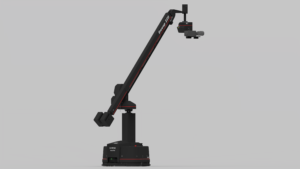
This is where automation and robotic camera technologies are reshaping the media equation. As production becomes increasingly multi-platform, serving linear, OTT, social, in venue screens, and interactive experiences, efficiency is no longer a cost saving measure but a prerequisite for agility. Robotic motion platforms, PTZ based automation, and software driven control systems are allowing teams to scale output without scaling crew, enabling them to produce more consistently and with higher creative ambition.
From a revenue perspective, this shift is transformative. Production teams are no longer simply supporting marketing or broadcast functions; they are building content engines that power sponsorship packages, subscription models, personalized viewer experiences, and real time engagement strategies. In esports, for example, high fidelity automated coverage enhances the viewing experience for both in venue and remote audiences, directly influencing tournament value, monetization potential, and the ability to attract premium partners. In the corporate world, elevated internal and external communication unlocks measurable value: clearer messaging, more captivating brand storytelling, and the ability to maintain a consistent visual identity across global operations.
For gaming publishers, content production can directly influence title adoption, community development, and fan engagement. Automated camera systems help create rich developer updates, cinematic patch notes, behind the scenes features, and influencer collaborations, all with repeatability that accelerates production workflows and supports direct to consumer ecosystems. As game worlds and live services continue to evolve, so does the demand for real time content that complements gameplay experiences, marketing campaigns, and community activations.
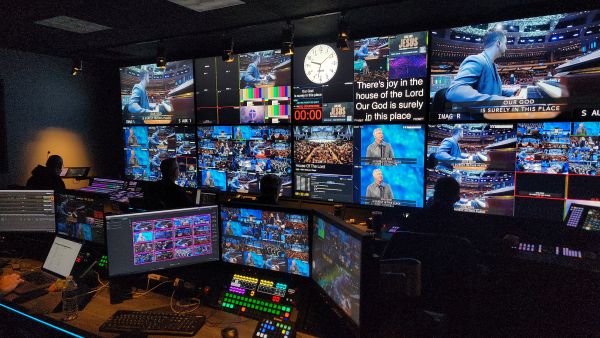
At the same time, adjacent sectors are beginning to converge with media and technology in ways that further increase the value of accessible, high precision robotics. Venues, brands, universities, houses of worship, and cultural institutions are all developing content strategies that mirror professional broadcast environments. Yet these organizations often operate with limited crew or hybrid roles, where operators must manage multiple tasks simultaneously. Automated motion control becomes a force multiplier, enabling a single operator to manage multi camera setups, maintain consistent shot libraries, and deliver repeatable, professional grade camera moves typically associated with a full studio team.
This is where decades of engineering R&D, such as that pioneered by companies like MRMC Broadcast, play a significant role in shaping accessible, democratized solutions. The expertise that once powered high end film and broadcast robotics has now been distilled into scalable platforms suitable for emerging markets. What was once specialist equipment used solely in top tier applications is now driving efficiency across a much broader segment of the industry. The influence of this engineering heritage is evident in the precision, reliability, and interoperability that modern robotic systems deliver, ultimately enabling organizations to adopt production technologies that directly support new business models.
The convergence between media technology and these parallel markets is accelerating. Esports productions increasingly resemble sports broadcasts; corporate studios resemble hybrid newsrooms; educational institutions are building content hubs that parallel entertainment workflows. The motivation behind these investments is not simply to modernize infrastructure, but to capture economic opportunities: sponsorship integration, tuition competitiveness, remote participation, enhanced fan experiences, employer branding, and improved stakeholder communication.
As this convergence unfolds, automation plays an increasingly vital role in bridging the skill gap between traditional broadcast and new content creators. Features such as automated presets, programmed motion sequences, and repeatable camera moves reduce the reliance on specialist operators, enabling teams to maintain professional standards regardless of staffing availability or experience. This reliability translates to reduced setup time, lower risk of error, and consistent visual output that strengthens brand credibility and viewer engagement.
Another significant factor is the shift toward hybrid and remote production models. Cloud based control, remote operation, and integrated multi venue connectivity are enabling distributed teams to manage complex productions with reduced on site presence. Automated camera robotics reinforce this trend by allowing remote operators to manage dynamic shots with the same precision they would achieve in person. This contributes directly to cost control as well as revenue potential, as organizations can scale coverage of events, offices, venues, or activations without geographic constraint.
The economic implications of this shift extend beyond operational efficiency. As organizations adopt more advanced production capabilities, they unlock new creative formats that were previously unattainable. Virtual studios, mixed reality environments, interactive live streams, and personalized viewer experience all benefit from the precision and consistency delivered by robotic systems. For businesses pursuing direct to consumer engagement, these formats are increasingly essential to staying relevant in a fragmented attention economy.
The broader industry trend is clear: production is no longer an isolated function, but a strategic asset embedded within revenue generation, brand differentiation, and consumer experience design. Teams that leverage automation can produce more content at a higher quality and with greater reliability—without the overhead traditionally associated with broadcast production. This creates a level playing field, enabling emerging creators, growing organizations, and new market entrants to compete alongside established media companies.
Ultimately, engineers and directors of technology are building production ecosystems that support long term sustainability and future proof growth. Automation and robotic motion control are not being adopted for novelty; they are being integrated to enhance resilience, unlock new creative possibilities, and position organizations to meet the rapidly evolving demands of modern content consumption. The democratization of high precision production tools marks a significant shift in how media is created and monetized, enabling teams across every sector to reimagine what is both achievable and economically viable in the next era of content driven experiences.