XroadMedia – Cutting Through The Noise: How Media Services Can Personalize Smarter, Not Harder

Tom Dvorak, XroadMedia
As new members of IABM, we wanted to share our thoughts on some of the big challenges affecting the industry and why personalization is no longer seen as a bonus feature but a necessity. As technology becomes more accessible, as well as the opportunities it brings, it can also raise questions about privacy, sustainability and scalability.
A Saturated Market Needs Personalization
In such a crowded market, it’s more important than ever to cut through the noise to keep users’ attention. With so many options available, content alone is not enough, a service needs to be able to keep users returning to their platform.
Today personalization is mission-critical, but many operators struggle to get it done well. Similarly, efficiency and scalability are no longer “nice to have”, they are the essential foundation for engagement, retention and long-term revenue growth – key ingredients for service providers to maximize their ROI.
Today’s Personalization Challenges
When it comes to introducing personalization, some systems introduce friction rather than solving it. A major issue is that the majority of solutions are black boxes that provide little transparency into how recommendations are made or how models behave. This lack of visibility limits flexibility and makes it difficult for operators to understand or optimize the system. For the end user, transparency is critical to build trust with the service, which is essential for them to allow recommendations and personalization in the first place. Modern personalization solutions should be able to honor GDPR and similar privacy laws to enable the end user to always understand which data about them is stored and used by the service provider. Last but not least, data transparency also helps to make personalization more accessible for the end user, for example, by explaining why certain content is recommended to them and which particular attributes are relevant.
Some systems also require continuous retraining of machine learning models to remain effective. Although they might be functional, they are still not efficient and usually expensive. They often result in unpredictable infrastructure costs, especially around compute and storage, which adds operational complexity that teams aren’t always equipped to manage.
Scalability and real-time responsiveness are additional pain points. Systems that aren’t built for real-time decisions at scale can’t deliver the timely, context-aware experiences users expect.
Latency, performance bottlenecks and rigid data pipelines quickly become barriers to success. Only real-time solutions allow for an experience users demand, particularly when it comes to navigating user interfaces and interacting with short-form video services or apps.
On top of this, traditional personalization engines are heavily reliant on the quality of metadata. Inconsistent or sparse metadata can severely limit the system’s performance, leaving valuable content undiscovered. Other solutions solely rely on user data (i.e. collaborative filtering), where new users or new assets in a content catalog are left behind, which is particularly challenging for service providers to acquire new subscribers and convert them into loyal users, as well as effectively monetize newly acquired content.
Finally, there’s the issue of vendor lock-in. Some solution providers are tied to a specific cloud vendor and often force teams into infrastructure decisions that may not align with broader business goals, like sustainability, increasing flexibility, lowering costs and making it harder to pivot if needed.
Personalization Should be Efficient and Scalable
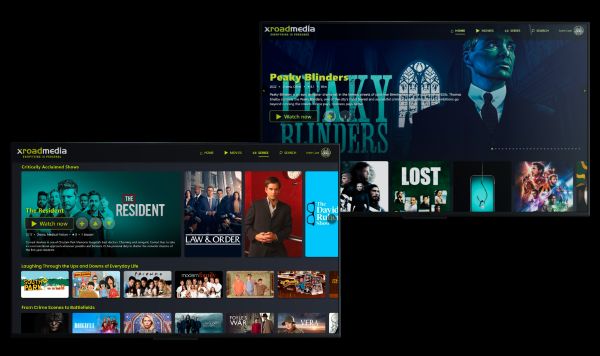
To be efficient and scalable, personalization systems need to be agnostic. Whether built in-house or with a third party, a solution needs to be flexible and coherent within the current ecosystem. Moving away from legacy systems, but having infrastructure that is agnostic to reduce the sprawl across systems, reducing the workload, the costs and the impact on the environment.
Equally important is real-time personalization. Delivering relevant experiences at the exact moment they matter requires systems that can respond instantly to user signals. But real-time doesn’t have to mean fully autonomous. In the time of AI, it’s important to get the balance between tools and teams. The most effective teams are those that strike the right balance of AI automation with human oversight and curation. AI brings speed and scale, while human input ensures quality, context and brand alignment. When both work in tandem, teams can move faster without sacrificing control or results.
To tie it all together, a modular “toolbox” architecture provides the foundation for long-term agility. Instead of rigid, one-size-fits-all platforms, this approach allows teams to choose the tools that best suit their goals, integrate them easily and evolve over time. It’s a setup designed not just for launch, but for continuous iteration and optimization.
Engagement, Monetization and Agility
When users engage, they stay. When they stay, it’s guaranteed revenues. Services must keep viewers engaged with tailored content to their interests and watching history, bringing them back with personalized notifications and maintaining their attention even during ad breaks, with relevant paid content. Agile, scalable personalization systems empower media platforms to pivot fast, monetize effectively and continuously optimize the user journey without overloading internal teams or budgets. It is important for service providers to show the user that they understand and value them at every touchpoint the user has with their service. When done properly and in a transparent manner, it delivers real impact for both, the user and the service provider alike.
The Future is Bright and Personalized
We’re in a world where personalization is expected, it’s not a case of ‘if’ but ‘how’ services should be personalizing their user experiences. As privacy regulations tighten and users grow more conscious of their data, the future of personalization must be transparent and respectful. AI will continue to play a critical role, but not in isolation. Human control is key to ensuring ethical, responsible personalization that aligns with both user expectations and business goals.
Personalization isn’t just a feature, it’s a mindset powering the next generation of media success. The platforms that scale it efficiently, without compromising on speed, privacy or flexibility, will be the ones to lead the market and move it forward.