Yospace – Dynamic Ad Insertion: Turning CTV Scale Into Sustainable Revenue

Paul Davies, Head of Marketing, Yospace
Connected TV (CTV) is reshaping broadcasting, blending the polish of traditional television with the personalization of digital media. Viewers now expect high-quality experiences with added relevance, functionality, and choice, while advertisers seek the reach and trust associated with television, coupled with digital advertising benefits such as targeting and accurate measurement.
Dynamic ad insertion (DAI) sits at the heart of this transformation. By allowing broadcasters to replace static ad breaks with individually targeted spots delivered in real time, DAI makes advertising more relevant and campaigns more valuable. Done well, it creates a virtuous circle: viewers encounter ads that feel meaningful rather than disruptive, and broadcasters open up new inventory and revenue opportunities. But if the technology is poorly executed, the result can be jarring playback, missed impressions, and damaged brand trust.
Keeping Viewers Engaged
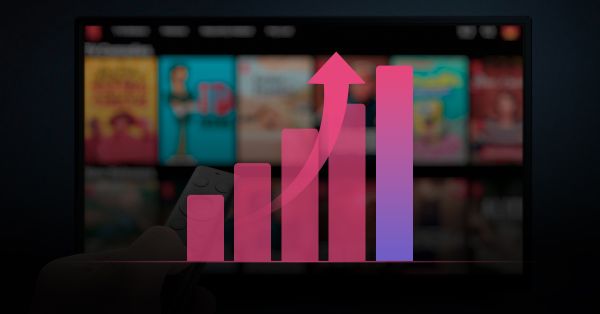
The first principle of DAI is that the audience should not notice it. Seamless transitions, stable audio levels and consistent quality across devices are essential to preserving a premium viewing experience. Even the slightest buffering or visual “join” can encourage viewers to switch off or migrate to ad-free alternatives.
Relevance is equally important. Advertisers now expect one-to-one targeting and frequency management to avoid overexposure. Sophisticated ad platforms can deliver this by combining server-side insertion (SSAI) or server-guided ad insertion (SGAI) with real-time feedback loops that cap exposure and refresh creative dynamically, all without interrupting the stream.
Reaching Every Screen
Maximizing monetization means serving targeted ads wherever the audience chooses to watch. That is easier said than done. The CTV landscape encompasses smart TVs, set-top boxes, mobile apps, and legacy devices that remain surprisingly prevalent in many households (in today’s hi-tech world, a smart TV that is under five years old can count as a legacy device). To capture every impression, ad systems must support multiple streaming protocols and remain compatible with both the newest 4K sets and older connected televisions with limited processing power.
The challenge grows when content is distributed via third-party apps or syndication partners, where broadcasters have less control over the playback environment. Emerging standards such as Common Media Client Data (CMCDv2) promise to help close these gaps by enabling consistent reporting across a wide variety of players.
Creating New Inventory

Advanced DAI is not only about replacing traditional ad breaks; it can also unlock entirely new revenue streams. Techniques such as SGAI enable innovative formats, including squeezebacks. Meanwhile, “contingency pods” open up more inventory during live events.
These capabilities are particularly valuable for sports and entertainment, where unpredictable moments, such as a last-minute goal, can generate sudden audience spikes and command premium pricing. Temporary event channels and replay modes, once too complex or expensive to monetize, can now generate incremental impressions with far less operational overhead.
Scaling For Major Live Events
Live broadcasting remains one of the most lucrative arenas for ad-funded streaming, but it also places the greatest strain on infrastructure. Audience surges during high-profile matches or breaking news can overwhelm ad servers if systems are not engineered for scale. Intelligent prefetching, where ad calls are paced to anticipate peak demand, is vital to maintain fill rates and protect revenue when viewer numbers suddenly climb.
Measurement As a Commercial Imperative
Advertisers used to the accountability of digital platforms will not commit significant budgets to CTV without transparent, trusted metrics. Accurate reporting of impressions, viewability, and completion rates is therefore non-negotiable. In addition, the most effective implementations provide real-time dashboards fed by log-level data, enabling broadcasters to detect errors, optimize campaigns mid-flight, and demonstrate clear return on investment.
Industry standards are beginning to harmonize measurement practices, but broadcasters cannot afford to wait. Platforms that combine server-side delivery with lightweight client-side data capture are already providing the precision advertisers demand while maintaining the broadcast-quality experience audiences expect.
Strategic Capability
Dynamic ad insertion is no longer a peripheral feature; it has become a core component. It is a strategic capability that must be embedded at the core of streaming operations and adtech infrastructure. Broadcasters who master it will be well-positioned to compete with global digital giants by offering the reach of television, the accountability of online advertising, and the flexibility to adapt as viewing habits continue to evolve.
Investment in robust technology, workflow integration, and emerging standards may be demanding, but the rewards are clear. With the right approach, every stream, every screen, and every unexpected audience spike can become an opportunity to grow revenue, without compromising the viewer experience.